Alibag Forts Guide: History & Entry Info
Nestled along the picturesque coastline of Maharashtra, just a short distance from the bustling metropolis of Mumbai, lies Alibag – a serene town renowned for its pristine beaches, tranquil atmosphere, and rich historical tapestry. For history enthusiasts and adventure seekers alike, the region’s ancient fortifications offer a compelling journey back in time. This comprehensive Alibag Forts Guide delves into the storied past, architectural grandeur, and essential visitor information for these remarkable historical sites Maharashtra, inviting you to explore the formidable legacies carved into the Konkan coast.
From strategic island strongholds to remnants of European colonial power, the alibag forts stand as silent sentinels, each whispering tales of valor, conquest, and enduring spirit. Our guide focuses on three prominent bastions: the majestic Kolaba Fort, the historically significant Revdanda Fort, and the panoramic Korlai Fort. These three are among the most visited Alibag forts, providing a rich tapestry of the region’s past. Prepare to immerse yourself in the rich fortress history that defines this beautiful coastal stretch, transforming your visit into an unforgettable exploration of coastal forts India.
Discover the Historic Alibag Forts
Alibag’s strategic location on the Arabian Sea made it a crucial point for maritime trade and defense for centuries. This, in turn, led to the construction of several formidable Alibag forts by various dynasties and colonial powers, each leaving an indelible mark on the landscape and culture. These structures were not merely defensive outposts; they were centers of administration, trade, and cultural exchange, reflecting the diverse influences that shaped the region.
The history of the Alibag forts is largely intertwined with the Maratha Empire, particularly under the astute leadership of Chhatrapati Shivaji Maharaj and later, the powerful Angre dynasty, who served as naval chiefs. They understood the critical importance of a strong naval presence and coastal defenses to protect their kingdom from foreign invaders and control trade routes. Before and alongside them, European powers like the Portuguese also established their presence, building forts to secure their trading interests and missionary activities.
Visiting these Alibag forts offers more than just a glimpse into old ruins; it’s an opportunity to connect with a vibrant past. Each of these Alibag forts, with its unique architectural style and strategic placement, tells a different chapter of Maharashtra’s military and cultural heritage. They are among the most fascinating Alibag forts and tourist places, providing a blend of natural beauty, historical intrigue, and photographic opportunities that few other destinations can match. As you walk through their crumbling walls and gaze out at the vast sea, you’ll gain a profound appreciation for the ingenuity and resilience of those who built and defended them.
Kolaba Fort: The Island Fortress
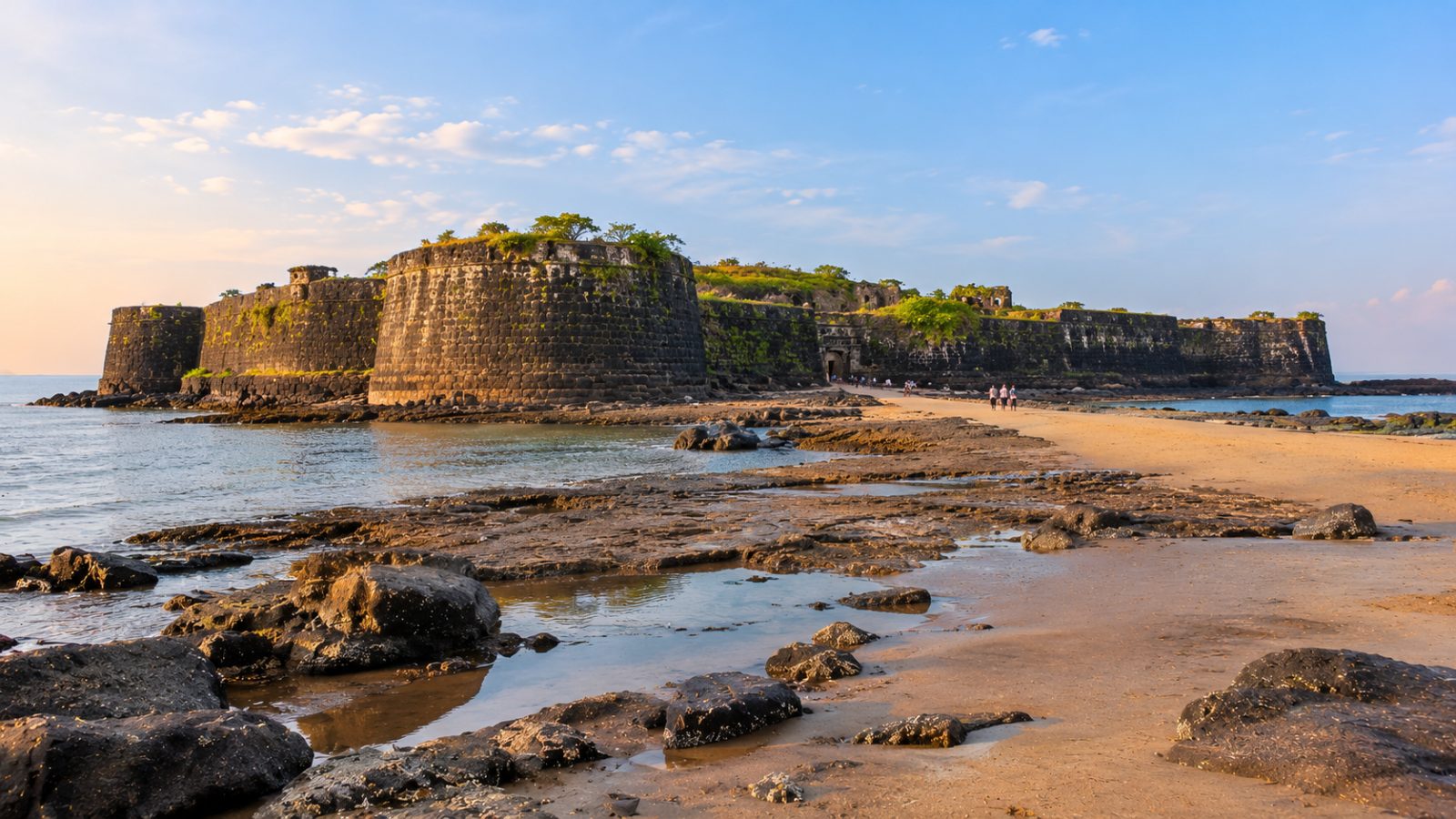
Dominating the horizon just off the shores of Alibag Beach, Kolaba Fort stands as a magnificent testament to Maratha naval prowess. Built by none other than Chhatrapati Shivaji Maharaj in 1680, this formidable sea fort served as one of the chief naval stations of the Maratha Empire. Later, under the command of Kanhoji Angre, the celebrated Maratha Admiral, Kolaba Fort became an impregnable bastion against the British and Portuguese, cementing its place in Alibag forts history as a symbol of defiance and strategic brilliance.
Kolaba Fort is unique for its accessibility, distinguishing it from many other Alibag forts; during low tide, a narrow causeway emerges from the seabed, allowing visitors to walk to the fort. This approximately 1.5-kilometer trek across the sand and rocks is an adventure in itself, offering stunning views of the coastline. During high tide, local boats ferry visitors to the fort, providing a different perspective of its imposing structure rising from the waves. Always check local tide timings before planning your visit to ensure you choose the most convenient mode of travel and make the most of your Alibag forts exploration.
Architectural Marvels and Sacred Spaces
Once inside Kolaba Fort, you’ll find a captivating world of historical remnants. The fort walls, still largely intact, enclose a sprawling area dotted with intriguing structures. One of the most remarkable features is the fresh water well, a marvel of engineering, providing potable water even amidst the salty Arabian Sea. This ingenuity speaks volumes about the foresight of its builders. Furthermore, the fort also houses several Hindu temples, most notably the Siddhivinayak Temple, which is still an active place of worship. The Ganesh Temple within the fort is particularly revered and attracts devotees from far and wide, adding a spiritual dimension to the historical exploration.
As you wander through the ruins, you’ll encounter remnants of cannons, intricately carved archways, and old residential quarters, each telling a piece of the fort’s long narrative. The panoramic views of the Alibag coastline and the endless expanse of the Arabian Sea from the fort walls are breathtaking, especially during sunrise or sunset. It’s an ideal spot for photography enthusiasts and anyone looking to soak in the serene beauty of the Konkan coast. Allocate at least 2-3 hours to fully explore Kolaba Fort, one of the most magnificent Alibag forts, allowing ample time for the journey to and from the fort, as well as an in-depth exploration of its many facets. This “island fortress” is undeniably one of the crown jewels among coastal forts India.
Explore Revdanda Fort’s Portuguese Legacy
A short drive south of Alibag town brings you to the tranquil village of Revdanda, home to the historically significant Revdanda Fort. Unlike the island fortress of Kolaba, Revdanda Fort, one of the key Alibag forts, is a sprawling land-based structure, though its proximity to the sea underscores its importance as a naval lookout and trading post. This fort’s history is predominantly linked to the Portuguese, who built it in the 16th century, making it a stark contrast to the Maratha-built Kolaba Fort and offering a different chapter in the history of Alibag forts.
The Portuguese established their presence in this region to control trade routes, particularly the lucrative spice trade, and to spread Christianity. Revdanda Fort, originally named “Chaul Fort” by the Portuguese, was a vital link in their chain of coastal defenses along the Konkan coast. Its imposing walls, though now largely in ruins and partially covered by overgrown vegetation, still reflect the grandeur and strategic planning of its European builders. Consequently, the fort witnessed numerous conflicts between the Portuguese, Marathas, and other regional powers vying for control over the valuable coastal territory.
Ruins and Reverberations of the Past
As you explore Revdanda Fort, you’ll notice distinctive European architectural elements that set it apart from its Maratha counterparts. The most striking remnants are the massive fort walls, often hidden amidst dense palm groves and local settlements that have sprung up within and around its perimeter over centuries. One of the most poignant features is the ruins of a once-grand church, believed to be the St. Barbara Church, where you can still discern archways and sections of walls. The weathered stones and moss-covered structures evoke a powerful sense of time and decay, inviting contemplation on the rise and fall of empires.
Visiting Revdanda Fort offers a more contemplative and less crowded experience than other prominent Alibag forts like Kolaba. It’s an excellent spot for those who appreciate exploring historical sites at their own pace, imagining the lives of soldiers and settlers who once inhabited these grounds. Moreover, the fort’s location near Revdanda Beach also allows for a beautiful combination of history and natural beauty. While there are no formal entry fees for Revdanda Fort, its exploration provides an invaluable insight into the Portuguese influence on historical sites Maharashtra and the broader narrative of coastal forts India. Allow 1-2 hours to leisurely explore the accessible parts of the fort and soak in its unique atmosphere.
Korlai Fort: A Glimpse into Maritime Past
Perched majestically on a hill overlooking the Arabian Sea, about 20 kilometers south of Alibag, stands Korlai Fort, another of the historically significant Alibag forts. This impressive fort, originally built by the Portuguese in 1521, offers some of the most spectacular panoramic views of the coastline, the Revdanda Creek, and the surrounding fishing villages. Its strategic position at the mouth of the Revdanda Creek made it an indispensable stronghold for controlling maritime traffic and protecting Portuguese interests in the region. The fort changed hands multiple times between the Portuguese and the Marathas, witnessing fierce battles and illustrating the dynamic nature of the Alibag forts and their role in the Konkan coast’s history.
The fort is accessible via a well-maintained road that leads up to the base of the hill, followed by a moderate climb of around 300 steps. The ascent, though a bit challenging, is incredibly rewarding. Along the way, you’ll pass through several bastions and gateways, each offering a different perspective of the surrounding landscape. The path is often lined with lush greenery, especially after the monsoon, making the trek pleasant and scenic. The climb itself is part of the experience, building anticipation for the breathtaking vistas awaiting at the top.
Panoramic Views and Enduring Structures
Once at the summit, Korlai Fort, one of the most scenic of the Alibag forts, unfolds with its extensive fortifications, bastions, and a lighthouse that still stands tall, guiding ships navigating the treacherous waters. The fort has seven bastions and a central tower, and within its walls, you can explore the ruins of an old church and various other structures that once housed soldiers and administrators. The sheer scale of the fort and its strategic design underscore its importance in maritime defense. From the highest points of the fort, the views are simply unparalleled – a vast expanse of the blue sea stretching to the horizon, the tranquil creek below, and the vibrant tapestry of the fishing village of Korlai.
Korlai village itself is unique, known for its small community that speaks a distinct Portuguese Creole language, a living testament to its colonial past. This cultural insight adds another layer of intrigue to your visit. For those interested in combining a mild hike with historical exploration and stunning natural beauty, Korlai Fort is a must-visit among the incredible Alibag forts and tourist places. It’s perfect for photography, a picnic, or simply enjoying the peaceful atmosphere high above the sea. Like Revdanda Fort, there are generally no specific entry fees for Korlai Fort, allowing for free exploration. Dedicate 1-2 hours for the climb and exploration, ensuring you have enough time to truly appreciate its historical significance and incredible views. This fort truly encapsulates the essence of coastal forts India, offering a rich historical narrative coupled with an adventurous climb.
Planning Your Visit to Alibag Forts
To make the most of your exploration of the magnificent Alibag forts, careful planning is key. Alibag is a year-round destination, but certain times are more ideal for fort exploration.
- Best Time to Visit: The post-monsoon months (October to February) offer the most pleasant weather for visiting the forts. The air is crisp, the skies are clear, and the surrounding greenery is at its most vibrant. Conversely, summers (March to June) can be hot and humid, while monsoons (July to September) bring heavy rainfall, which, while beautiful, can make trekking and boat rides to Kolaba Fort challenging.
- What to Wear and Carry: Comfortable walking shoes are essential, especially for Kolaba Fort’s causeway or Korlai Fort’s climb. Light, breathable clothing is advisable. Don’t forget sunscreen, a hat, sunglasses, and plenty of water, as you’ll be spending a fair amount of time outdoors. A camera is a must to capture the stunning views and historical architecture.
- Entry Fees and Visiting Hours:
- Kolaba Fort: There is a nominal entry fee for Indian citizens and a slightly higher fee for foreign tourists. Local guides might also charge a fee if you opt for their services. The fort is generally open from morning to late afternoon, but accessibility is heavily dependent on tide timings. Always inquire locally or check online for current tide charts.
- Revdanda Fort & Korlai Fort: These forts typically do not have separate entry fees, allowing visitors free access to explore their ruins. They are generally accessible during daylight hours.
- Time Allocation: For Kolaba Fort, allocate 2-3 hours, including travel time. Revdanda and Korlai Forts can each be explored in 1-2 hours. To comfortably cover all three alibag forts, a full day is highly recommended, allowing for travel between them and leisurely exploration. Consider combining your visit to these Alibag forts with other things to do Alibag, such as relaxing at the beaches or enjoying local seafood. Read next: Alibag Travel Guide 2026: First-Time Visitors
Getting to Alibag Forts & Nearby Attractions
Alibag’s proximity to Mumbai makes it an excellent choice for a quick getaway or a day trip Mumbai. The journey itself is part of the experience, offering scenic views of the coast.
Reaching Alibag:
- By Ferry from Mumbai: This is the most popular and picturesque option. Ferries depart from the Gateway of India in South Mumbai to Mandwa Jetty (approx. 1-hour journey). From Mandwa, local auto-rickshaws, buses, or private cabs are readily available to take you to Alibag town (approx. 30-45 minutes).
- By Road: Alibag is well-connected by road from Mumbai and Pune. The drive from Mumbai takes approximately 3-4 hours, depending on traffic, and offers beautiful coastal stretches and lush landscapes.
Local Transport to the Forts:
- Kolaba Fort: Easily accessible from Alibag town. You can walk to the causeway during low tide from Alibag Beach or take a short auto-rickshaw ride to the beach area. Boats are available during high tide.
- Revdanda Fort: Located about 17 km south of Alibag. Local buses, auto-rickshaws, or private cabs can take you there. The journey offers glimpses of rural Konkan life.
- Korlai Fort: Approximately 20 km south of Alibag. Similar to Revdanda Fort, you can hire an auto-rickshaw or a private cab. The drive to Korlai offers stunning coastal scenery and is well worth the effort.
Nearby Attractions:
Beyond the forts, Alibag boasts a wealth of other attractions. Spend time at the serene beaches like Alibag Beach, Kashid Beach, and Nagaon Beach. Explore the quaint local markets, savor fresh seafood, or simply relax amidst the natural beauty. For those with more time, a trip to the impressive Murud-Janjira Fort, another magnificent sea fort further south, can be an excellent extension to your historical itinerary, though it would likely require another full day. Exploring the historical sites Maharashtra truly showcases the region’s diverse offerings. Read next: Alibag Travel Guide 2026: First-Time Visitors
Book Your Alibag Forts Tour for a Seamless Experience
While exploring the Alibag forts independently offers a sense of adventure, opting for a guided tour can significantly enhance your experience. A local guide can provide invaluable historical context, share fascinating anecdotes, and point out details you might otherwise miss, truly bringing the rich history of these Alibag forts to life. From the tales of Maratha bravery at Kolaba Fort to the Portuguese legacies embedded in Revdanda and Korlai, a knowledgeable guide adds depth to your journey.
Many tour operators offer curated packages that include transportation, guided visits to all three forts, and sometimes even local culinary experiences. This can alleviate the stress of navigating local transport, coordinating tide timings for Kolaba Fort, and ensuring you cover all the highlights efficiently. Booking a tour, therefore, ensures a seamless and enriching experience, allowing you to focus entirely on the historical grandeur and natural beauty of these incredible Alibaug tourist places. Whether you’re a solo traveler, a couple, or visiting with family, a well-planned tour ensures you maximize your time and gain the deepest appreciation for these magnificent Alibag forts and coastal strongholds. Plan your Alibag fort adventure today and step back in time! Read next: Alibag Weekend Itinerary from Mumbai (2 Days Plan)
Frequently Asked Questions
Which Alibag forts can I visit?: Kolaba Fort, Revdanda Fort, and Korlai Fort are the main historical sites accessible to visitors near Alibag, offering unique insights into the region’s past and representing the best of the Alibag forts.
Is Kolaba Fort accessible all year round?: Kolaba Fort’s accessibility depends on the tide. It’s reachable by foot during low tide and by boat during high tide. Always check local tide timings before planning your visit.
What are the entry fees for Alibag forts?: Kolaba Fort has a nominal entry fee for both Indian and foreign tourists. Revdanda and Korlai Forts typically do not have separate entry fees, allowing free exploration.
How much time is needed to explore Alibag forts?: Allocate 2-3 hours for Kolaba Fort due to its size and boat travel (if applicable). Revdanda and Korlai Forts can each be explored in 1-2 hours. A full day is ideal to cover all three.
Are guides available at the forts?: Local guides are often available at Kolaba Fort for a fee, offering historical context and stories. It’s advisable to inquire locally or pre-arrange for a guided tour.